For indie authors

We buy the books you can’t sell.

Second chances for perfectly good books.

Flat rate
The same for every copy
Prepaid label
Shipping is on us
Paid up front
Before you ship the box

If you’re an indie author, you know the box. The one in the closet with the sixty copies that came back with the cover trimmed crooked, or the margins off, or a scuff down the spine. The text is perfect. The book is completely readable. It’s just not sellable as flawless — and your printer already made you whole, so it’s sitting there costing you nothing but guilt.

Most authors we’ve talked to end up giving them away, cutting them up for crafts, or recycling them. Almost everyone says the same thing: it feels wrong to throw away a perfectly good book.

It is wrong.
So we buy them.

The name

errata noun, plural — from the Latin errare, to wander or to stray

The list of mistakes found in a book after it has already gone to press. Traditionally printed on a slip tucked inside the cover, or on a page at the very back.

Every book ever printed contains one. Every single one. The errata slip is the publishing world quietly admitting it — a small, humble page at the back that says: we tried, we got some of it wrong, here is the correction.

We named the shop after that page. Not because we think books are flawed, but because imperfection is the normal condition of anything made by people, and a bookstore is a good room to say so out loud. A shop named for the mistakes in books, buying the books that came out wrong, isn’t a workaround. It’s the whole idea.

How it works

Four steps, and we do the tedious ones.

  1. 1 Tell us what you have.

    Fill out the form — title, genre, how many copies, what’s wrong with them, a photo if you can.

  2. 2 We’ll take a look.

    If your books are a fit for our shop, we’ll email you with an offer.

  3. 3 We send a label and your payment.

    A flat rate for every copy, whatever the cover price, and we cover the shipping. Paid by PayPal or Venmo before you ship. You pack the box and drop it off. That’s it.

  4. 4 We list them, and readers find them.

    We sell them at a discount, with the flaw described honestly. Your book gets read instead of recycled, and your name gets in front of readers who’ve never heard of you.

What we buy

Fiction only, and only new, unread copies.
We never buy used books.

Where your books go

There are readers hunting for exactly these.
They just can’t find them.

Readers ask for discounted and damaged copies constantly — in comments, in DMs, in threads that go nowhere. Bookstagrammers write to authors directly asking for scratch-and-dent stock. Collectors go looking for proof copies and turn up empty. Meanwhile the copies they want are sitting in closets four states away.

Both sides are already looking. Nobody has built the place where they meet. That’s the shop.

What that means for your box

  • Every copy gets read. A damaged copy sold is a reader gained for a writer who otherwise had a box in a closet. That’s the entire point of the exercise.
  • The flaw is always named. Bumped corner, trim error, jacket crease — described honestly in the listing and on the shelf tag. Never a mystery box, never “used,” never a markdown bin.
  • We inspect every copy before it goes on the shelf. Nothing goes out that isn’t readable.
  • We bundle series together so readers can find a whole story instead of book three.
  • If a signed copy turns up in your box, the surprise goes to the reader — no upcharge. We like surprises.
  • Nothing goes in the bin. Anything that hasn’t found a reader after a year goes to schools, literacy programs, and Little Free Libraries around Arizona. It doesn’t get pulped and it doesn’t come back to you.

Why sell to us instead of doing it yourself?

Honestly? You could do this yourself, and some authors do. If you’ve got the time and the patience for listings, packing, postage, and customer emails, you’ll make more per book than we’re offering.

This is for everyone else. For the authors who are writing the next one, or working a day job, or just staring at that box with no intention of ever dealing with it. We do the tedious part. You get paid something instead of nothing, and the books get read.

Who we are

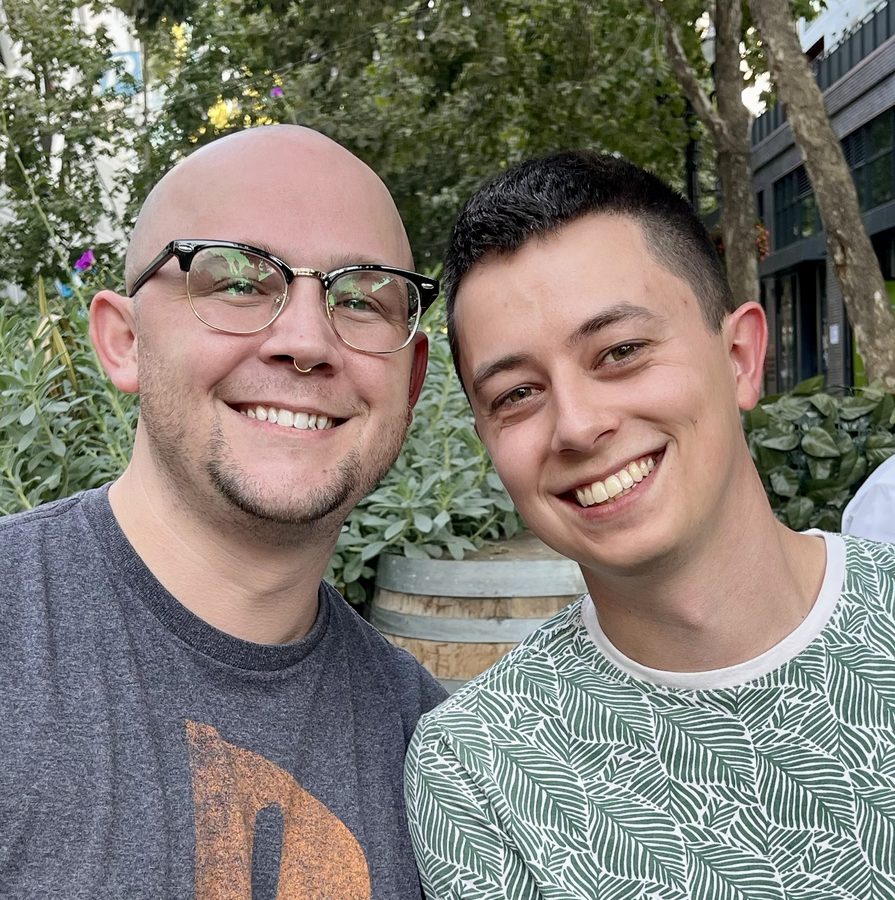
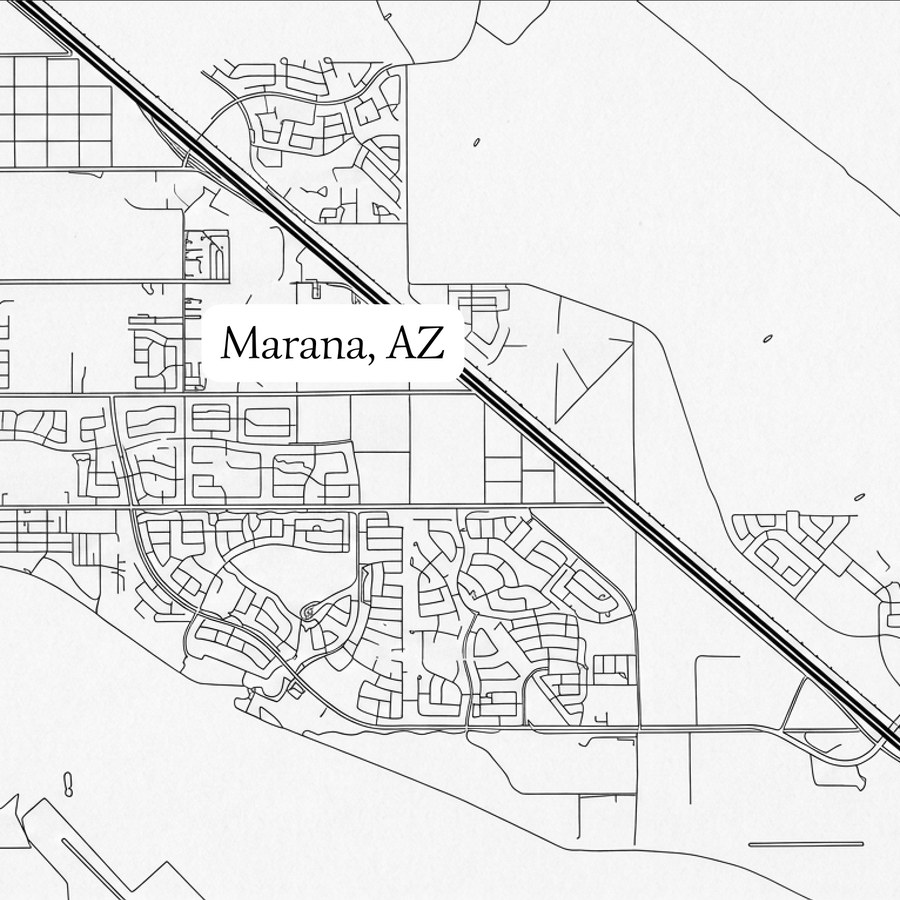
We’re Travis and James — a married couple in Marana, Arizona. Errata is queer-owned and veteran-owned. Between the two of us the shelves run from epic fantasy and space opera to true crime and psychological thrillers, which is roughly how we ended up building a bookstore that refuses to pick a lane.

Right now we’re a pop-up bookshop and online bookstore. The goal is a brick-and-mortar shop in Arizona — one that leads with indie, BIPOC, and queer authors, hosts poetry nights and open mics, stays open past seven in a town where everything closes at seven, and gives kids somewhere warm to land after school. Marana doesn’t have an independent bookstore. We’d like it to.

Every book you sell us moves that forward.

Where we stand on AI

We don’t buy, stock, or sell AI-generated books.

Not covers, not text, not “AI-assisted.” We’re asking you to confirm your work is human-made when you submit — and we mean it. Every book on our shelves was written by a person who got some of it wrong and fixed what they could, which is the only way anyone has ever made one.

Got a box in the closet?

Tell us what you’ve got